
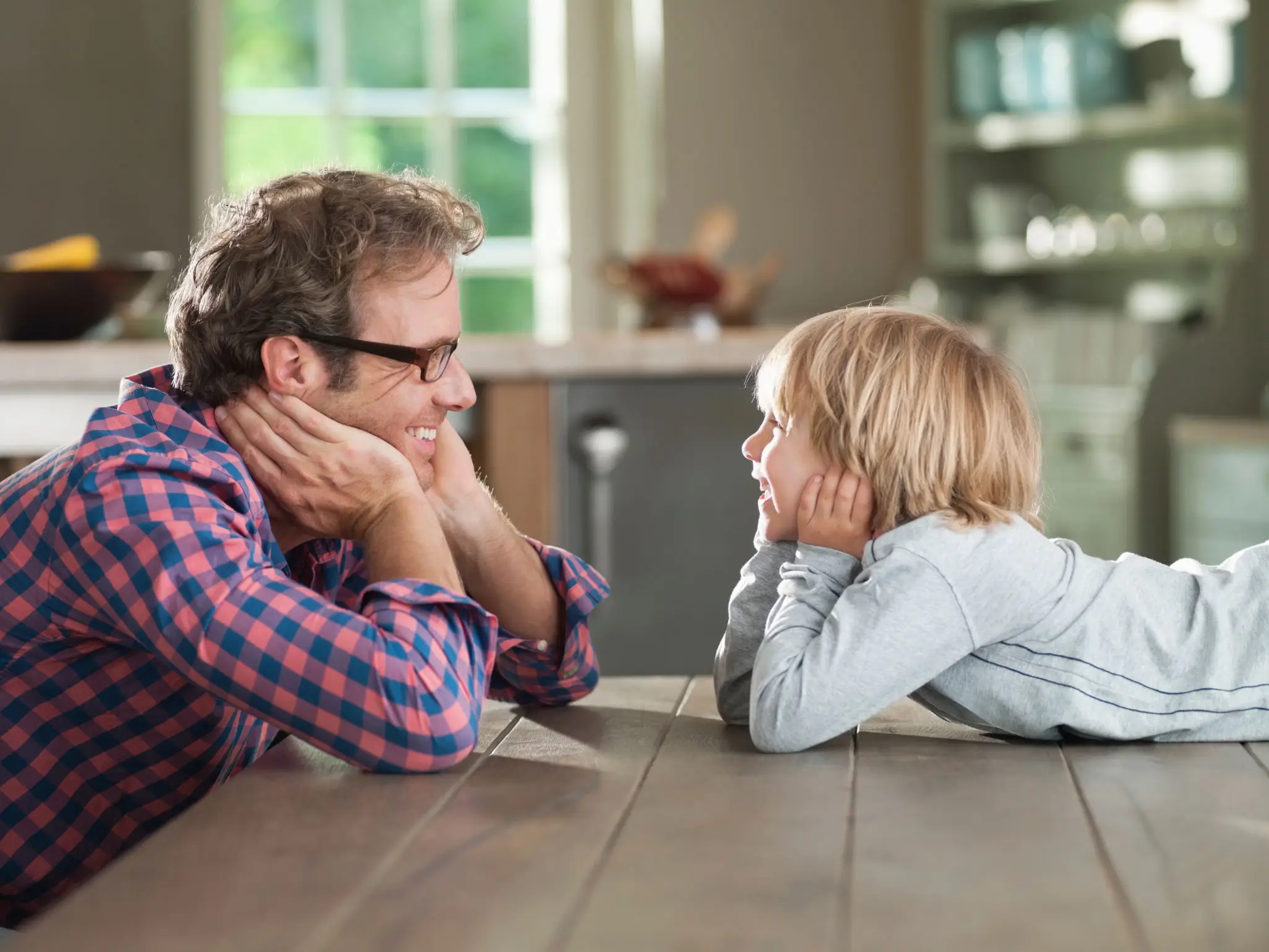
Serve and Return: The Simple Interaction That Builds Your Child’s Brain By Waldo R. Winborn, LPCC, RPT, RST-C/T
Imagine this:
Your toddler looks up at you, points to the sky, and says, “Bird!”
You smile and respond, “Yes! That’s a big black bird flying way up high.”
Your child giggles, looks back at the bird, then turns to you again, eyes shining.
That’s serve and return, it just helped grow your child’s brain.
What Is Serve and Return?
The term comes from tennis. One person serves the ball, and the other returns it. In child development, the same thing happens, except instead of a tennis ball, it might be:
- A glance
- A sound
- A gesture
- A word
- A meltdown (yes, even that!)
When a child sends out a signal, they’re serving.
When we notice it, respond warmly, and engage, we’re returning.
These little moments often only a few seconds long are the building blocks of:
- Secure attachment
- Language development
- Emotional regulation
- Brain wiring
How It Shapes the Developing Brain
When we consistently respond to our child’s cues with attention, warmth, and presence, their brain starts to make important connections:
- “When I reach out, someone responds.”
- “The world is safe and predictable.”
- “My feelings matter.”
In fact, research shows that serve-and-return interactions shape the architecture of the developing brain, especially in the first 5 years of life. These moments strengthen:
- Neural pathways related to communication and empathy
- The child’s stress response system (building resilience)
- Their ability to form secure attachments later in life
It’s like building a strong foundation brick by brick with every coo, giggle, and “uh-oh.”
What Does It Look Like in Everyday Life?
Here are some real-life examples of serve and return across ages:
Infant (0–12 months)
Serve: Your baby kicks their legs and babbles.
Return: You smile, make eye contact, and say, “Are you talking to me, sweet pea?”
Toddler (1–3 years)
Serve: Your child hands you a toy.
Return: You take it and say, “Oh! You brought me the truck. Want to play together?”
Preschooler (3–5 years)
Serve: They ask, “Why is the moon following us?”
Return: You respond with curiosity: “Great question. It looks like that because we’re moving.”
Any age during a meltdown
Serve: Screaming, hitting, or crying
Return: Staying calm, moving close, and saying, “You’re having such big feelings. I’m right here.”
Even when the serve is messy, confusing, or frustrating—your return is what teaches safety.
The Attachment Connection
Serve and return is the dance that leads to secure attachment. When children know they can count on your presence and responsiveness, they begin to believe:
- “I matter.”
- “I’m safe.”
- “I can explore, because someone’s here when I need them.”
It’s not about being perfect.
It’s about being attuned, responsive, and willing to return again and again.
What If I Miss the Serve?
We all miss them sometimes. That’s okay. What matters most is what happens next.
Repairing a missed moment can look like:
- Saying, “I’m sorry, I didn’t hear you can you show me again?”
- Going back to a moment you brushed off: “You were trying to show me something important earlier, weren’t you?”
- Reconnecting after a rough patch: “That was hard for both of us. I’m here now.”
Repair is part of attachment, too.
Try This Today
Want to build more serve and return moments into your day? Try this:
- Pause before responding. What is your child really trying to “serve”?
- Get on their level eye contact and tone matter more than words.
- Narrate and name describe what you see, hear, or feel from them.
- Stay curious even “silly” serves are chances to connect.
In a Nutshell
Serve and return interactions are the quiet, everyday magic behind brain development and emotional safety.
They don’t take special tools or training. They just take you being present, connected, and human.
So the next time your child points at the moon, makes a funny sound, or falls apart over the wrong color cup, pause.
There’s a serve.
And you’ve got everything you need to return.
