
Helping Your Child Regulate Starts With You (And That’s Not a Burden)
When parents hear that helping a child regulate starts with them, it can feel heavy. It may sound like one more thing to do or another way to get it wrong. But this idea is not meant to be a burden. It is meant to be an explanation of how children grow and learn.
Children are not born knowing how to calm themselves. They learn it through relationships. Before a child can regulate on their own, they borrow regulation from the adults around them. This is not a flaw or a weakness. It is part of healthy development.
When your child is upset, their nervous system looks for safety. They watch your face, listen to your voice, and feel your presence. A calm or steady adult helps their body slow down. Even when you feel unsure, your willingness to stay close sends a powerful message that they are not alone.
This does not mean you have to stay calm all the time. Parents have feelings too. What matters most is coming back to connection. Taking a breath, lowering your voice, or offering a moment of closeness can help both of you reset. Repair after hard moments teaches children that relationships can bend without breaking.
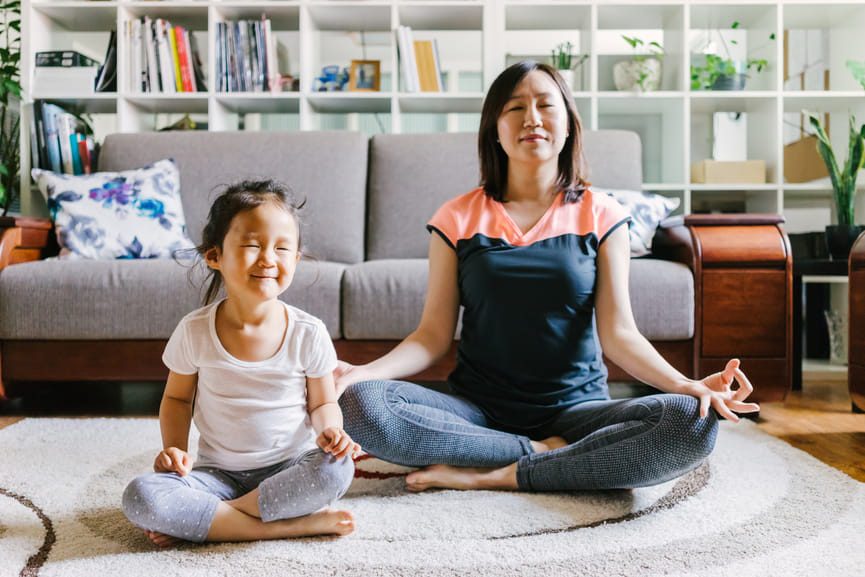
Regulation is built in small moments. Sitting together after a tough day. Sharing a quiet activity. Laughing during play. These moments add up and help your child build skills they will use for life.
As children grow, they slowly take in what they have experienced with you. Over time, the calm you offered becomes something they can create inside themselves. This process takes patience and practice, not perfection.
So if you ever feel the weight of helping your child regulate, remember this. You are not meant to do it alone, and you are not expected to do it perfectly. Your presence, your effort, and your willingness to return to connection are already enough.
Waldo Winborn, LPCC, RPT, RST C/T
